
Hormone Pellet Therapy
Hormone Pellet Therapy in St. Louis
Care provided by Judy Smart, RN, BSN, in collaboration with Jennifer McDonald, DO.
Hormone pellet therapy is one of the most requested treatments at Smart Age STL in Chesterfield, MO — bioidentical hormones released steadily over months, instead of daily. Below: what pellets are, how insertion works, and how they compare to other methods.
What Are Hormone Pellets?
Hormone pellets are small, solid cylinders — roughly the size of a grain of rice — made from compounded bioidentical hormones. A licensed pharmacy compounds them for pellet therapy, and your provider places them under the skin, where they slowly release hormone over several months — different from a pill or cream, both taken daily.
How Pellet Insertion Works
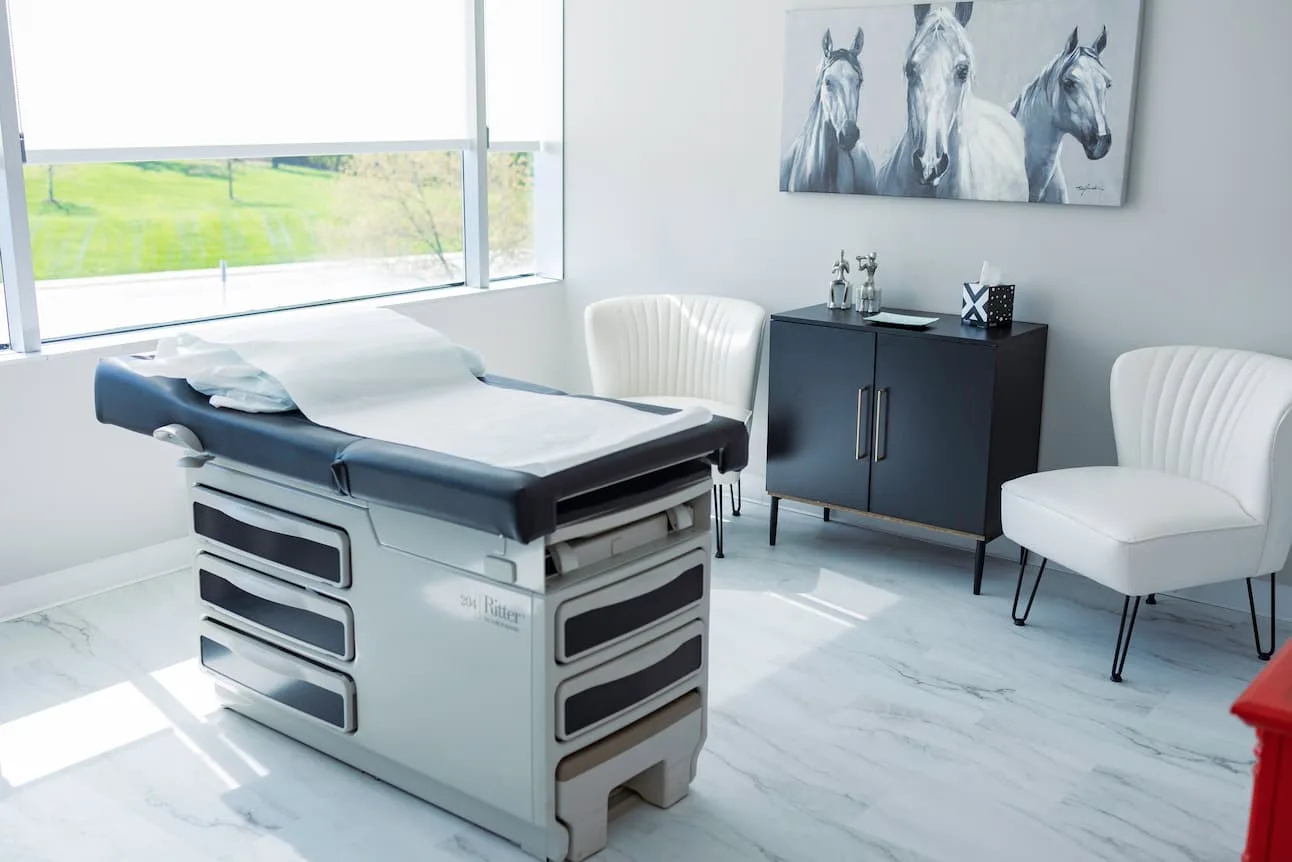
Pellet insertion is a brief, in-office procedure. Your provider numbs the area — usually near the hip — with a local anesthetic, then places the pellets just beneath the skin through a small entry point. Most patients are in and out of the office in under an hour, and many return to normal activity the same day.
Because the pellets release hormone gradually, most patients return for new pellets roughly every three to six months. Your provider sets your own schedule based on follow-up labs and how you respond — it is not the same for every patient.
Important information
- Bioidentical hormone pellets are compounded — a licensed pharmacy prepares them to match an individual prescription. They are not a mass-manufactured, one-size-fits-all product.
- Compounded bioidentical hormone therapy (BHRT) is not FDA-approved. The FDA does not review the safety or effectiveness of compounded medications the same way it reviews FDA-approved drugs.
- Pellet therapy requires lab work and ongoing clinical supervision. It is not a one-time treatment — dosing is adjusted based on follow-up labs and how you are responding.
- Results and timelines vary by individual. What one patient experiences is not a guarantee of what you will experience.
Pellets vs. Pills, Creams & Injections
A general comparison. Your labs and health history determine the right plan for you.
| Aspect | Pellets | Pills / Creams | Injections |
|---|---|---|---|
| Hormone release | Slow, steady release over months | Daily dosing — levels rise and fall between doses | Often peaks after the shot, then declines |
| Typical frequency | Every 3–6 months | Once or twice a day | Every 1–2 weeks |
| How it's taken | Inserted in-office by a clinician | Self-administered at home | Self-administered or in-office |
| Day-to-day routine | Nothing to remember between visits | Requires a daily routine | Requires remembering each dose |
Who Hormone Pellet Therapy May Help
Pellet therapy is used for both men and women dealing with symptoms commonly linked to hormone decline, including:
- Ongoing fatigue or low energy
- Low sex drive
- Trouble sleeping
- Mood changes, irritability, or brain fog
- Hot flashes or night sweats
- Loss of muscle tone or stubborn weight changes
Have Questions About Pellet Therapy?
Frequently Asked Questions
What is hormone pellet therapy?
Hormone pellet therapy delivers bioidentical hormones into your body using small pellets placed under the skin, usually near the hip. The pellets are compounded by a licensed pharmacy to match a dose your provider prescribes based on your labs and symptoms, then release hormone gradually over time rather than in a single daily dose like a pill or cream. Many patients like that there is nothing to remember day to day between appointments. At Smart Age STL, pellet therapy is used for both men and women, though the specific hormones and goals differ for each. Every plan starts with lab work and a conversation about your symptoms, because the right dose is specific to you.
How long do hormone pellets last?
Most patients return for a new set of pellets every three to six months, though the exact timing is individual. Your first cycle is a starting point — your provider uses follow-up labs and how you are feeling to fine-tune both the dose and the timing of your next insertion. Some patients settle into a predictable schedule after the first year or so; others need more adjustment along the way. Rather than watching the calendar, most patients pay attention to how they feel and keep their scheduled lab appointments, so the team can tell — based on your actual levels, not guesswork — when it is time to come back in.
Does pellet insertion hurt?
The insertion area is numbed with a local anesthetic first, so most patients feel pressure more than sharp pain during the procedure itself. Some soreness, bruising, or tenderness at the site for a few days afterward is common and usually resolves on its own — pain tolerance and healing vary from person to person. Keeping the area clean and dry for the first day or two, and avoiding strenuous exercise right after, can help with comfort during healing. If you notice increasing redness, swelling, drainage, or pain at the site, or develop a fever, contact our office — those can be signs of infection worth having a clinician look at.
How soon do patients notice changes?
This varies quite a bit from person to person. Some patients report noticing changes within the first few weeks; for others it takes longer, often a full cycle or two, before they feel a clear difference. Hormone levels take time to stabilize after insertion, and it also depends on your starting symptoms and how significant your hormone decline was. We use follow-up labs so your provider can see how your levels are actually trending, rather than going only by how you feel week to week. Not noticing much change after a couple of cycles is useful information too — it may mean your plan needs adjusting.
What does hormone pellet therapy cost?
Cost depends on your individual dose, which is based on your labs, symptoms, and treatment goals — there is not a single flat price that applies to every patient. Most insurance plans do not cover hormone pellet therapy, so most patients pay out of pocket for consultations, labs, and insertions. Because pricing depends on factors specific to your situation, the most accurate way to get real numbers is a consultation, where we walk through what your plan would likely involve before you commit to anything. Our team can also answer payment questions at that time. Call (314) 619-8848 to ask about scheduling a consultation.
Is hormone pellet therapy safe?
Hormone pellet therapy is provided under clinical supervision, starting with lab work and a review of your health history before any pellets are inserted. As with any medical procedure, there are risks — including minor ones like bruising or soreness at the insertion site — and your provider goes over what specifically applies to your situation before you decide whether to move forward. Compounded bioidentical hormone pellets are not FDA-approved; they are prepared by a licensed compounding pharmacy rather than manufactured and reviewed as an FDA-approved drug. Ongoing follow-up labs are part of treatment so your provider can monitor your response over time and adjust your plan if needed.